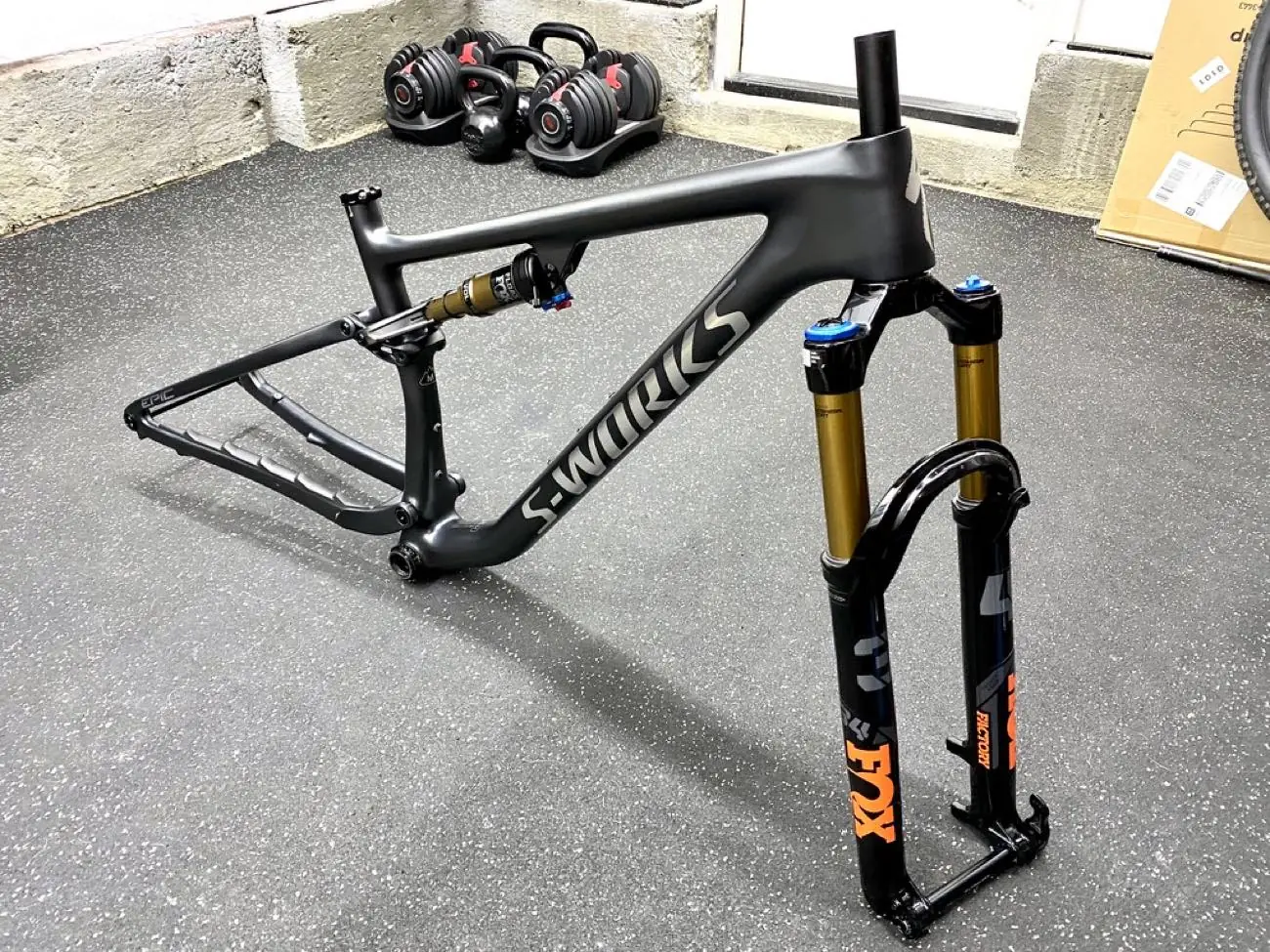
The big decision
Hardtail vs full suspension
By Ryan - lifelong rider · Updated 2026-07-16
It's the first real decision every mountain bike buyer faces, and the answer isn't “full suspension is better.” It's a genuine trade-off. Here's how to decide, from someone with no bike to sell you.
The 30-second answer
Buy a hardtail if any of these are true: your budget is under about $1,500, your local trails are smooth to moderate, or you value simplicity and low maintenance. Buy full suspension if your trails are rocky, rooty, or steep, or you plan to progress into jumps and technical descents and have the budget for a decent one.
Why a great hardtail beats a cheap full-suspension bike
This is the trap. A full-suspension bike has a rear shock, pivots, bearings, and a more complex frame - all of which cost money. At the same price, a hardtail spends that money on a better fork, drivetrain, and brakes instead. Below about $1,500, the full-suspension bike's rear shock is so basic it barely helps, while its parts are downgraded to hit the price. The hardtail is the better bike.
What full suspension actually buys you
When the trail gets rough, rear suspension keeps your back tire on the ground, which means more traction, more control, and far less fatigue. On steep, technical, rocky descents, that's the difference between riding a line and getting bucked off it. If that's your terrain, it's worth the money - just budget enough to get a good one (roughly $2,000+).
The maintenance reality
Hardtails have almost nothing to service out back - no shock, no pivot bearings. Full-suspension bikes need periodic shock servicing and bearing replacement. Not a dealbreaker, but a real cost of ownership worth knowing.
Still on the fence?
Our quiz asks about your exact trails and goals, then the AI tells you which way to go and which specific bikes fit. Take the quiz →
Common questions
Is a hardtail or full suspension better for beginners?
Both work. Choose a hardtail if your budget is under about $1,500, your trails are smooth to moderate, or you want minimal maintenance - it also teaches better technique. Choose full suspension if your trails are rocky, rooty, or steep, or you plan to progress into jumps and technical descents.
Are hardtails faster than full suspension?
On smooth climbs and flat ground, yes - a hardtail puts more power to the ground and weighs less. On rough descents, full suspension is faster because it keeps the tire tracking the ground. It depends entirely on your terrain.
Get your personal answer in 2 minutes
Guides give you the map. The quiz gives you the pin - your top 5 bikes, AI-matched to how you actually ride, with a plain-English reason for each.
Find your bike →The Quarterly Ride Report
Gear that survived the season
Four emails a year, straight from the trail: no-BS bike & gear reviews from real rides, price-drop alerts on bikes actually worth buying, and first word on new releases worth caring about. No spam, ever - unsubscribe anytime.
Specs and prices are a snapshot compiled from brand-published information - always confirm current details on the brand’s site. Some links earn us a commission at no cost to you; it never affects our picks. No brand pays to be featured.